Holiday Gift Ideas for Homeschoolers: Gifts That Keep Learning Alive
Nov 2026 · 8 min read
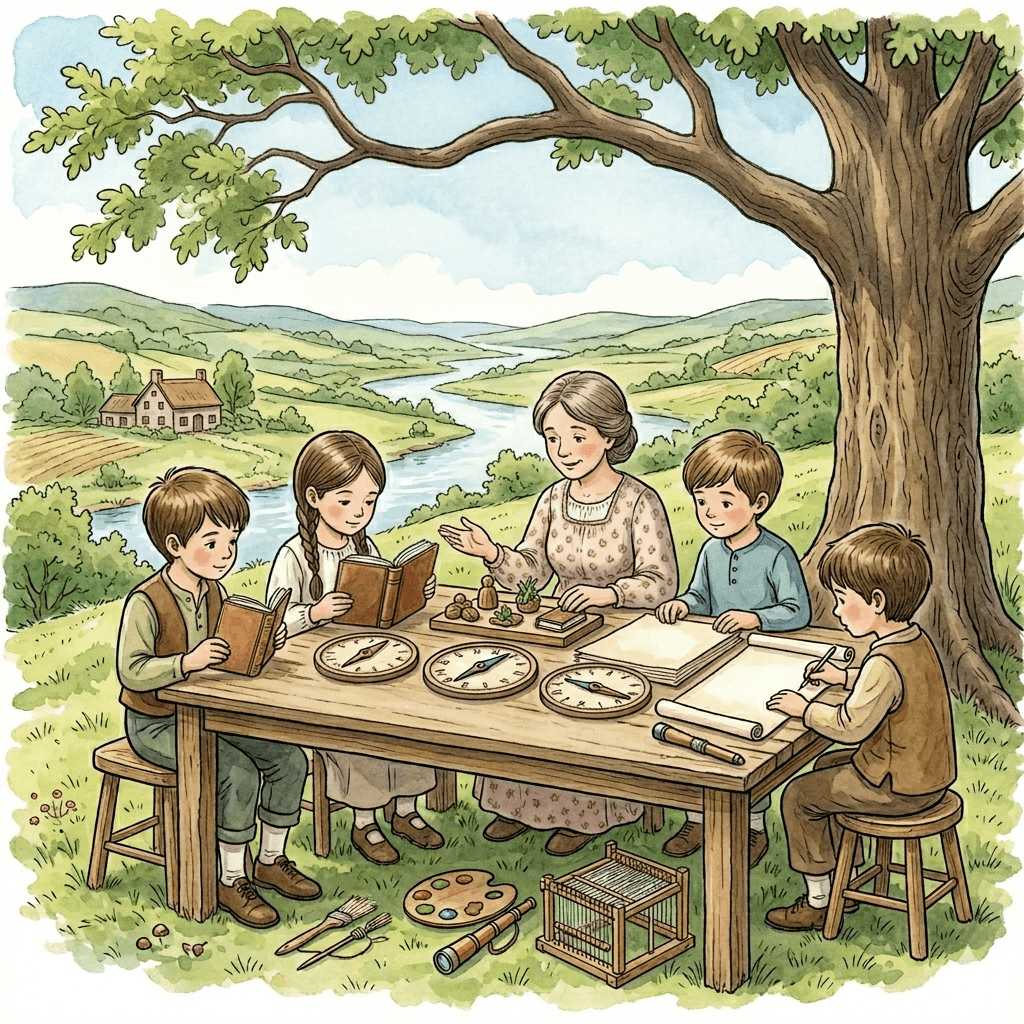
The holidays are here, and if you're anything like me, you're already thinking about what to put under the tree. But here's the thing about homeschooling families: we have a unique opportunity with our gift-giving. We can choose presents that don't just entertain—they extend learning in ways that feel natural and joyful, not like more schoolwork sneaking in through the back door.
I've been there, standing in the toy aisle (or scrolling through an online store at 11 p.m.) wondering, "Will this actually get used? Will it fit into what we're already learning?" Over the years, I've figured out that the best holiday gifts for homeschoolers are ones that respect both the learning and the play—gifts that let kids explore without it feeling mandatory.
Let me share what's actually worked in our home and what I've seen work in other homeschooling families. These aren't generic suggestions; they're real strategies for choosing gifts that will genuinely matter.
Strategy 1: Choose Books That Match (or Gently Expand) Your Child's Interests
I know, I know—books sound obvious. But here's what I mean: instead of grabbing whatever's on the bestseller list, think about what your child is already curious about and find really good books about that thing.
This is where knowing your kiddo's learning style and interests becomes gold. Is your daughter obsessed with horses? Don't just get the obvious horse book. Maybe it's Misty of Chincoteague if she loves narrative, or The Book of Horses by DK if she loves detailed visuals and facts, or a subscription to a horse magazine if she likes ongoing discovery. Is your son deep in a fantasy series? Look for the companion guides, the illustrated editions, or the next book in the series he hasn't read yet.
The magic here is that you're validating what they already care about while giving them more of it in new forms. That's how curiosity grows.
One year, my oldest was obsessed with mythology. Instead of just buying the next Percy Jackson book, I grabbed a gorgeous illustrated edition of The Odyssey, a mythology-themed board game, and a book about real archaeologists uncovering ancient sites. He spent the next three months weaving all of those together into his own learning.
This approach also works beautifully if you're gently trying to nudge interest in a new direction. Maybe you've noticed your child asking questions about space, or they loved that nature documentary you watched together. A well-chosen book (not a textbook—an engaging book) can spark months of self-directed learning.
Strategy 2: Invest in Board Games That Double as Learning Tools (Without Feeling Like It)
Board games are such an underrated gift for homeschoolers. They're social, they're engaging, and—this is the key part—they sneak in real learning while everyone's having fun.
I'm not talking about games designed to feel like school. I mean games that require strategic thinking, resource management, vocabulary, history knowledge, or creative problem-solving. When you're playing, nobody's thinking "this is math" or "this is social studies." Everyone's just trying to win.
Here are some that have genuinely become part of our regular rotation:
- Ticket to Ride teaches geography, planning, and probability in the most satisfying way. You're building train routes across countries, and suddenly your kid knows where cities are located.
- Splendor is all about economics and strategy. Players are gem merchants making trade decisions, and the learning feels effortless.
- Catan involves resource management, negotiation, and (honestly) a lot of math, but it's buried under the fun of building settlements.
- Wingspan combines beautiful bird illustrations with real facts about species. My daughter learned more about bird behaviors from playing this game than from any book I handed her.
The secondary benefit? Family time. These games are designed for the whole family to play together, which means everyone's learning together. That's a win I didn't expect when I first bought one.
My son wasn't interested in history until we played a game about civilizations building and trading. Now he wants to know the real historical context for everything in the game. The game became the doorway.
Strategy 3: Pick a STEM Kit or Subscription That Matches Your Child's Learning Pace
STEM kits can be wonderful—or they can sit in the closet untouched if they're not quite right for your child. The key is honesty about your kid's style and your family's capacity.
Does your child love hands-on experimentation but work best with guided steps? Look for monthly STEM subscription boxes that arrive throughout the year. Does she prefer understanding the why before diving in? Find a kit that includes detailed explanations, not just instructions. Is he someone who needs immediate tangible results to stay motivated? Skip the multi-week projects; choose something that shows results in one or two sessions.
I've had better success with:
- Monthly subscription boxes (like KiwiCo or similar) because they arrive over time and don't feel overwhelming. Plus, the built-in deadline helps kids actually do them.
- Single-project kits from companies like National Geographic or LEGO, chosen specifically for your child's current interests.
- Experience-based STEM like a rock tumbler or a quality microscope with prepared slides. These invite ongoing exploration rather than one-and-done projects.
The mistake I made early on was buying the flashy kit with the most impressive box art, not the one my kid would actually want to do. My youngest, who's methodical and doesn't love surprises, got zero joy from the "mystery" element in a popular subscription box. But when I switched to a subscription where she knew exactly what was coming, she was all in.
Think about your child's actual working style, not the box art or the marketing. That one choice changed whether these gifts got used or shelved.
Strategy 4: Give Experiences or Subscriptions That Extend Beyond December
This one's become my favorite strategy because it keeps learning alive all year, not just through the holidays.
Instead of (or in addition to) a wrapped present, consider:
- A subscription to a digital learning platform your child actually wants to use. Maybe it's a coding platform, an audiobook service, a language app, or access to documentaries. The gift keeps giving monthly.
- Memberships: a year's membership to a science museum, children's museum, art museum, or nature center. This becomes regular family adventure and learning throughout the year.
- Classes or workshops: rock climbing lessons, pottery, archery, coding bootcamp, or music lessons. Something hands-on that your child has expressed interest in.
- Nature subscriptions: butterfly gardens, insect kits, or birdwatching memberships.
- Audiobook credits or a subscription to a service your child will actually use.
What I love about these gifts is that they're often less expensive than massive toy purchases, they encourage your child to pursue deeper interests, and they create ongoing experiences and memories—not just stuff.
My daughter got a membership to a local nature center last year instead of a big toy haul. She's been there dozens of times since, has favorite trails, has watched birds through the seasons, and has started her own nature journal. A single wrapped gift turned into a year of genuine learning and outdoor time.
Strategy 5: Ask Other Homeschooling Parents What They're Buying (And Why)
This might sound simple, but it's genuinely helpful. Other homeschoolers know which gifts work for learning-focused families. They know which books spark interest, which kits actually get used, which subscriptions are worth it.
Ask in your homeschool co-op, your local Facebook group, or your online community: "What's on your kids' wish list this year? What gift actually got used all year?" You'll get honest answers from people living the same life you are.
I also ask: "What did you buy last year that you wish you hadn't?" Those answers are gold. They save you from the expensive mistakes.
The conversations often lead somewhere unexpected too. Maybe someone mentions a book that becomes a favorite, or a game that becomes a monthly tradition, or an experience that turns into a long-term interest. The gift-giving community of homeschoolers is generous with their knowledge.
Putting It Together: A Few Final Thoughts
Here's what I've learned about choosing holiday gifts for homeschoolers: the best presents are the ones that respect both the learning part and the joy part. They don't feel like punishment or additional assignments. They feel like someone understood your child well enough to give them something that matters.
You don't need to spend a fortune. Some of the most-used gifts we've received were modest in price but thoughtful in choice. A really good book, a strategic board game, a class or membership—these are often more valuable than something expensive that gets shelved.
And here's the beautiful thing: when you choose gifts intentionally, you're not just giving something to unwrap. You're validating your child's interests, expanding their world, and, yes, keeping learning alive without it feeling like you're sneaking school under the tree. That's a gift that keeps giving all year.
What's on your homeschooler's wish list this year? I'd love to hear what's working in your family.
Want a week of lessons built around your own child?